Wondering how much prep really matters before your Theodore home hits the market or goes through appraisal? It matters more than many sellers think. A clean, well-maintained, and easy-to-show home can shape how buyers respond and how your property’s condition is perceived. If you want fewer surprises and a smoother sale, a smart prep plan can help. Let’s dive in.
Why prep matters in Theodore
Theodore’s housing market sits in a price range where presentation and pricing discipline both matter. Recent public market snapshots place Theodore homes in the low-$200,000s, with reported median prices varying by source and time period. That difference is a good reminder that online estimates are only part of the picture.
In practice, your home’s value and buyer interest will depend heavily on local comparable sales, overall condition, and how well the home shows. In a market like Theodore, thoughtful preparation can help your home compete more effectively and support your asking price.
Understand appraisal vs. showings
An appraisal and a showing are not the same thing, even though both involve someone walking through your home. A showing is about helping potential buyers picture the property as their next home. An appraisal is an independent opinion of market value ordered by the buyer’s lender in a financed transaction.
Appraisers look at recent similar sales and compare them to your home’s features. That can include square footage, room count, year built, condition, lot size, roof, foundation, HVAC, and other visible characteristics. If the buyer is using FHA financing, visible issues tied to safety, sanitation, or structural soundness can carry more weight.
Start with a clean, calm look
Before you think about staging details, focus on the basics. Deep cleaning and decluttering are two of the most effective things you can do before both showings and appraisal day.
Clean baseboards, ceiling fans, windows, bathrooms, counters, and carpets. Remove extra furniture, heavy décor, and personal items that can make rooms feel smaller or busier. The goal is to help each space feel open, simple, and easy to understand.
Depersonalizing also helps buyers connect with the home more easily. Family photos, highly specific collections, and crowded surfaces can distract from the space itself. A calmer look often reads as better maintained, which is helpful whether the visitor is a buyer or an appraiser.
Fix the small issues buyers notice
Minor repair items may seem easy to ignore, but they can influence how people judge your home’s condition. A leaky faucet or loose railing might be small on its own, yet a series of little issues can create the impression that maintenance has been deferred.
Before showings and appraisal, try to handle obvious problems such as:
- Leaky faucets
- Flickering or burned-out light bulbs
- Broken door handles
- Torn window screens
- Cracked caulk
- Loose railings
These are the kinds of visible details that can affect condition perception. If your home is generally solid, you want that to come across clearly.
Stage the rooms that matter most
If you do not want to stage every room, start with the areas that tend to carry the most weight with buyers. Recent industry survey data found that the living room, primary bedroom, and kitchen are the top rooms buyers care about most.
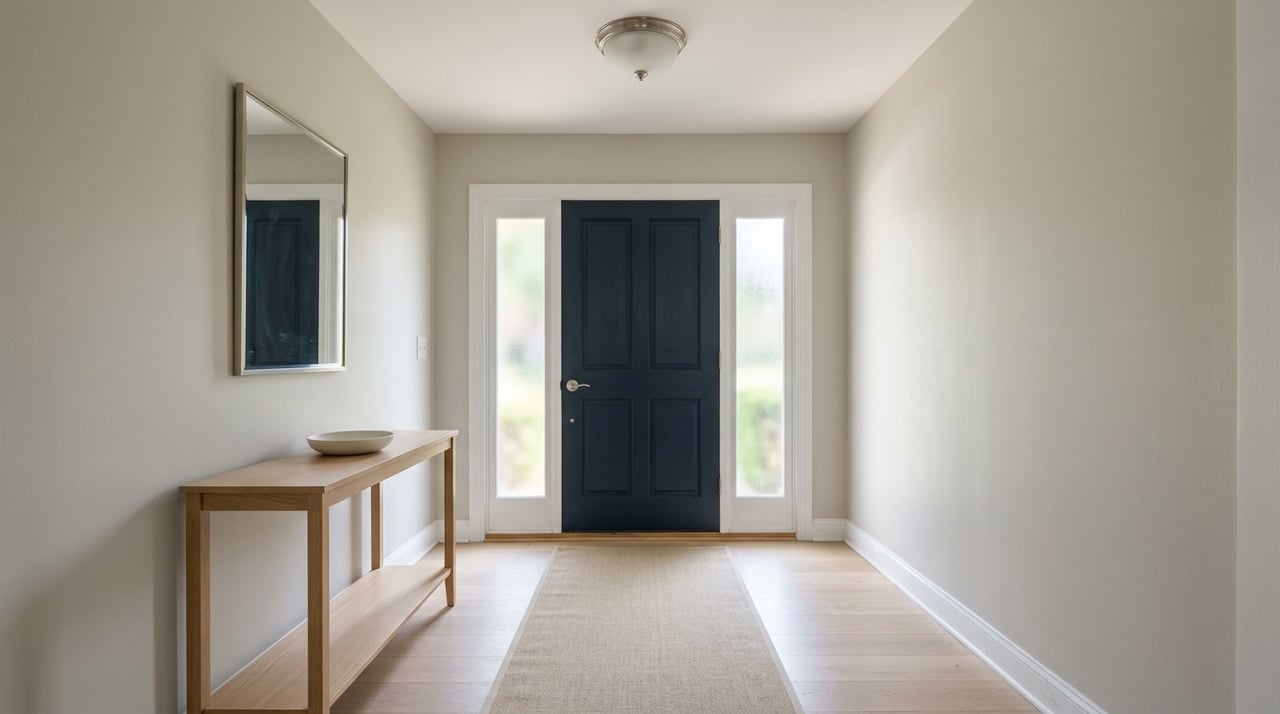
That does not mean you need expensive furniture or a full redesign. It usually means making those rooms feel clean, bright, and functional. Clear countertops in the kitchen, make the primary bedroom feel restful, and arrange the living room so traffic flow is obvious.
Online presentation matters too. Most buyers begin their search online, and photos play a major role in deciding which homes they want to see in person. That means your home should be camera-ready before listing photos are taken, not just before the first showing.
Create a simple appraisal packet
A tidy home helps, but documentation can help too. One of the smartest steps you can take is preparing a simple one-page list of improvements and updates.
Include items such as:
- Roof replacement or repair dates
- HVAC replacement or servicing
- Appliance updates
- Flooring updates
- Window replacements
- Plumbing or electrical work
- Kitchen or bath improvements
If possible, add approximate dates for each item. This gives the appraiser a quick snapshot of work that may not be obvious at first glance.
You can also gather supporting information your agent may want to share, such as recent comparable sales and basic property details. The point is not to pressure the appraiser. It is to make sure relevant facts are easy to see.
Know what Alabama sellers should keep in mind
In Alabama, existing-home sales generally follow caveat emptor, or “buyer beware.” In simple terms, sellers are often not required to volunteer defects unless asked. However, you still cannot misrepresent the property’s condition or conceal immediate health or safety risks.
That makes honesty and consistency especially important. If a buyer or agent asks a direct question, accurate answers matter. If your home was built before 1978, federal lead-paint disclosure rules also require specific disclosures, available records or reports, an EPA pamphlet, and a 10-day opportunity for the buyer to conduct a lead inspection.
What to expect on appraisal day
Appraisal day is usually more straightforward than sellers expect. The appraiser visits the home, observes its condition and features, and later completes a report for the lender.
It helps if you are available to answer basic questions, but try not to hover. You can politely point out features or updates that may not be obvious, like attic insulation improvements or a recent HVAC replacement. Then give the appraiser space to do the job efficiently.
A few practical steps can make the visit smoother:
- Keep the home clean and accessible
- Turn on lights if needed
- Secure pets or take them off-site
- Reduce noise and distractions
- Make sure all major areas are easy to access
In many cases, the completed report reaches the lender about one to two weeks after the inspection. Sellers do not usually receive a copy automatically, though the buyer may share it if the value comes in lower than expected.
What to do if the appraisal is low
A low appraisal does not always mean the deal is over. It usually means the lender sees a gap between the contract price and the appraised value.
If that happens, the next step is often to review the report carefully and understand how the value was reached. Depending on the situation, the parties may renegotiate the price. Your agent can help you look at the comparable sales used and decide what response makes the most sense.
Build a showing routine that is easy to repeat
Showings are easier when you have a repeatable routine. Instead of scrambling each time, create a short checklist you can work through quickly.
Before each showing, aim to:
- Open window treatments
- Turn on lights
- Hide valuables and medications
- Secure firearms
- Take pets with you or confine them safely
- Wipe down kitchen and bath surfaces
- Put away laundry, dishes, and daily clutter
- Leave the home if possible
Once you get into a rhythm, you may be able to get your house ready in under an hour. That flexibility can help when showing requests come in with short notice.
Focus on what supports value
Many sellers wonder whether they should spend money before listing. The answer depends on the home, but in Theodore, it is usually wiser to focus on repairs, cleanliness, and presentation before taking on major upgrades.
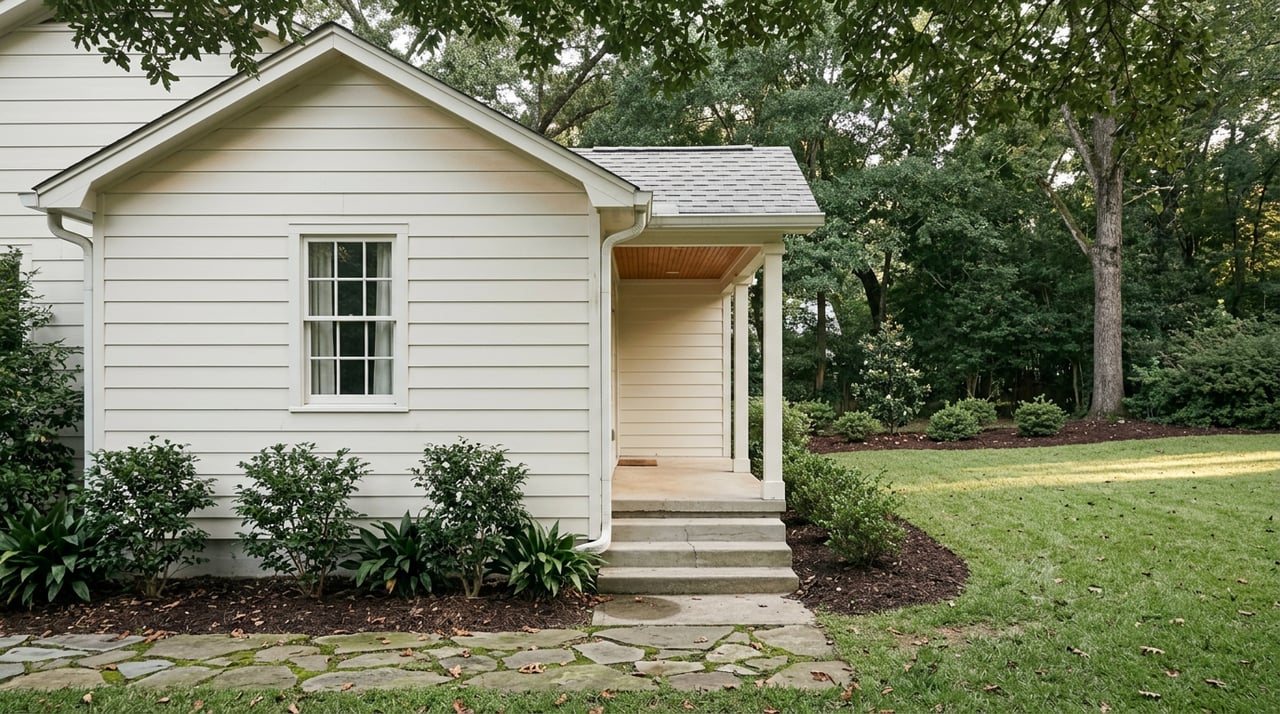
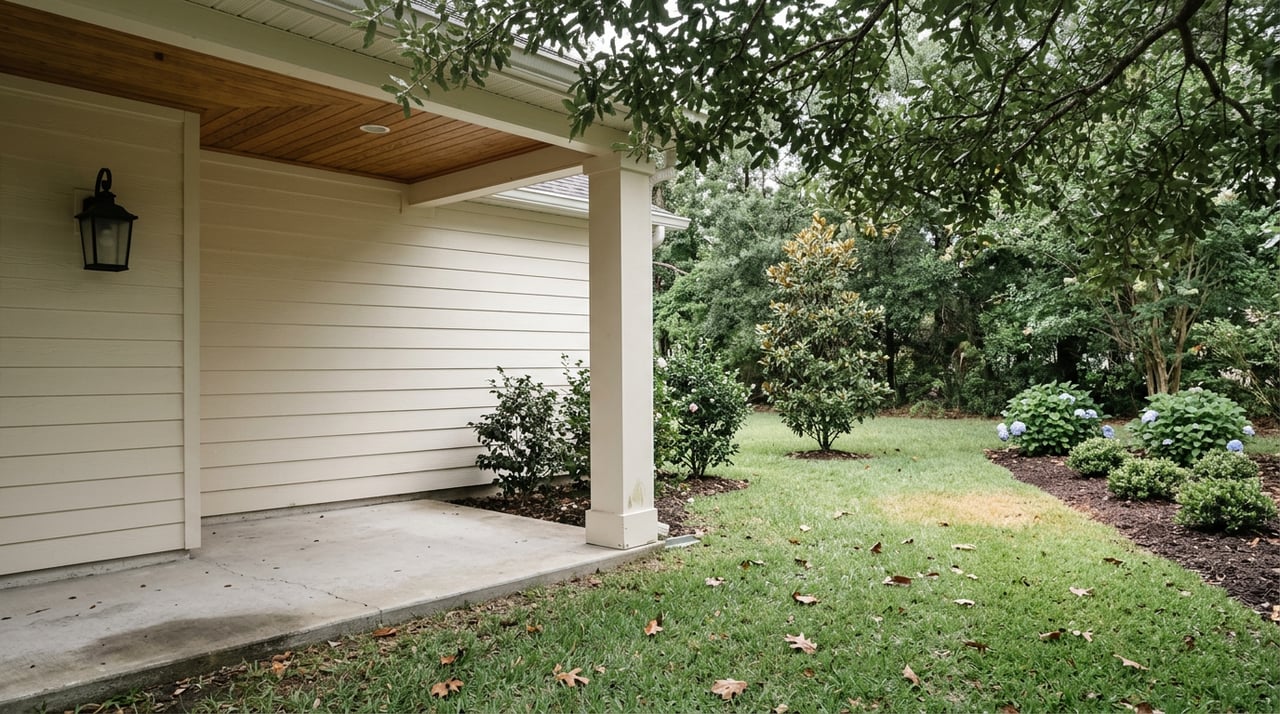
A buyer and an appraiser will both notice condition, maintenance, and overall care. Fresh light bulbs, neat landscaping, clean surfaces, and simple staging often do more for first impressions than expensive projects with uncertain payoff.
Final thoughts for Theodore sellers
If you are getting your Theodore home ready for appraisal and showings, think simple, local, and strategic. Clean thoroughly, repair what is visibly wrong, highlight your best spaces, and keep a clear record of improvements. Most of all, remember that your home does not need to be perfect. It needs to feel well cared for, easy to evaluate, and ready for the market.
When you want local guidance on pricing, preparation, and marketing your Theodore home, reach out to Jessica Jenkins-Nguyen for a free consultation.
FAQs
What should Theodore sellers clean before a home appraisal?
- Focus on deep cleaning visible areas like bathrooms, kitchens, windows, baseboards, ceiling fans, counters, and floors so the home feels well maintained.
What repairs matter most before Theodore home showings?
- Fix small but obvious issues such as leaky faucets, flickering bulbs, broken handles, torn screens, cracked caulk, and loose railings.
What do appraisers look at when valuing a Theodore home?
- Appraisers compare your home to recent similar sales and evaluate features like size, room count, condition, lot size, age, roof, foundation, HVAC, and other observable characteristics.
How should Theodore homeowners prepare for showing day?
- Open window coverings, turn on lights, remove clutter, secure valuables and medications, manage pets safely, and leave the home if possible.
What happens if a Theodore home appraisal comes in low?
- The buyer and seller may review the report and renegotiate the price depending on how the lender and both parties want to move forward.
Do Theodore sellers need to disclose problems with the home?
- In Alabama, existing-home sales generally follow caveat emptor, but sellers cannot misrepresent the condition of the home or conceal immediate health or safety risks.