Salt air is part of life on the Bayou, but it can be tough on homes. If you live in Bayou La Batre or you’re shopping nearby, you want finishes and hardware that can handle high humidity, onshore winds, and the occasional storm. This guide shows you what lasts here, what to avoid, and the small details that make a big difference in service life and maintenance. Let’s dive in.
Why coastal materials matter in Bayou La Batre
Bayou La Batre sits on Portersville Bay, with frequent sea breezes and high moisture that speed up rust and decay. Local weather patterns bring heavy rain and strong onshore winds that carry salt inland, which raises corrosion risk for metal fasteners, roofs, and fixtures (local climate context). The area’s bayfront location means many properties also plan for hurricanes and storm surge, which influences what you choose and where you place systems (Bayou La Batre location). FEMA’s coastal guidance emphasizes corrosion control, flood‑resistant materials, and careful connectors in salt air (FEMA Coastal Construction Manual).
Roofs that shrug off salt
Best picks
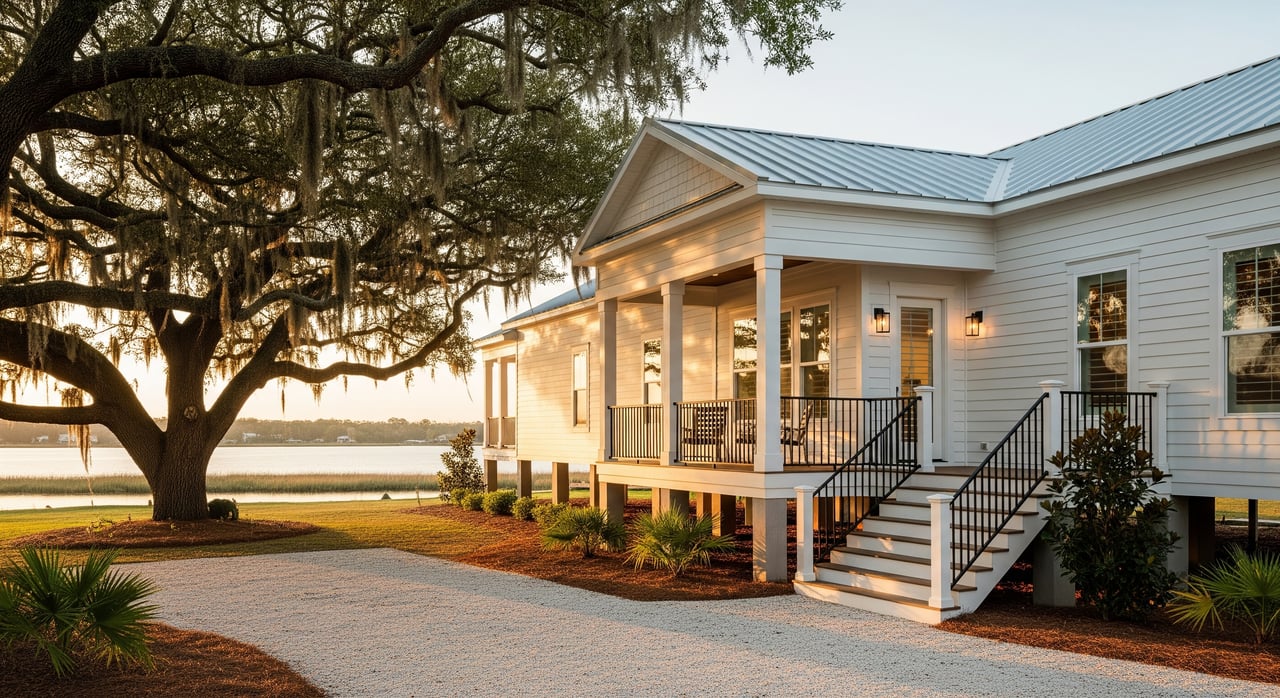
- Aluminum standing‑seam with a high‑performance PVDF finish is a proven coastal choice that resists rust and holds color in salt air (standing‑seam overview).
- Coated steel panels can work when specified as Galvalume with a PVDF topcoat, paired with stainless fasteners.
Install and upkeep tips
- Prefer concealed‑fastener systems or exposed fasteners in 316 stainless. Flashings should be stainless or factory‑coated to match.
- Rinse and inspect the roof at least a couple of times per year to remove salt deposits and catch early wear (maintenance tip).
Siding and trim that hold up
- Fiber cement designed for southern climates, such as James Hardie’s HZ10 line, resists rot, swelling, and UV while handling humidity and salt spray well (HardieZone HZ10).
- Cellular PVC trim and quality metal claddings are good coastal options. Natural woods look great but need frequent sealing in salt air.
- Use corrosion‑resistant fasteners, ideally 316 stainless within the spray zone, and follow coastal installation details.
Decks and railings built for the bay
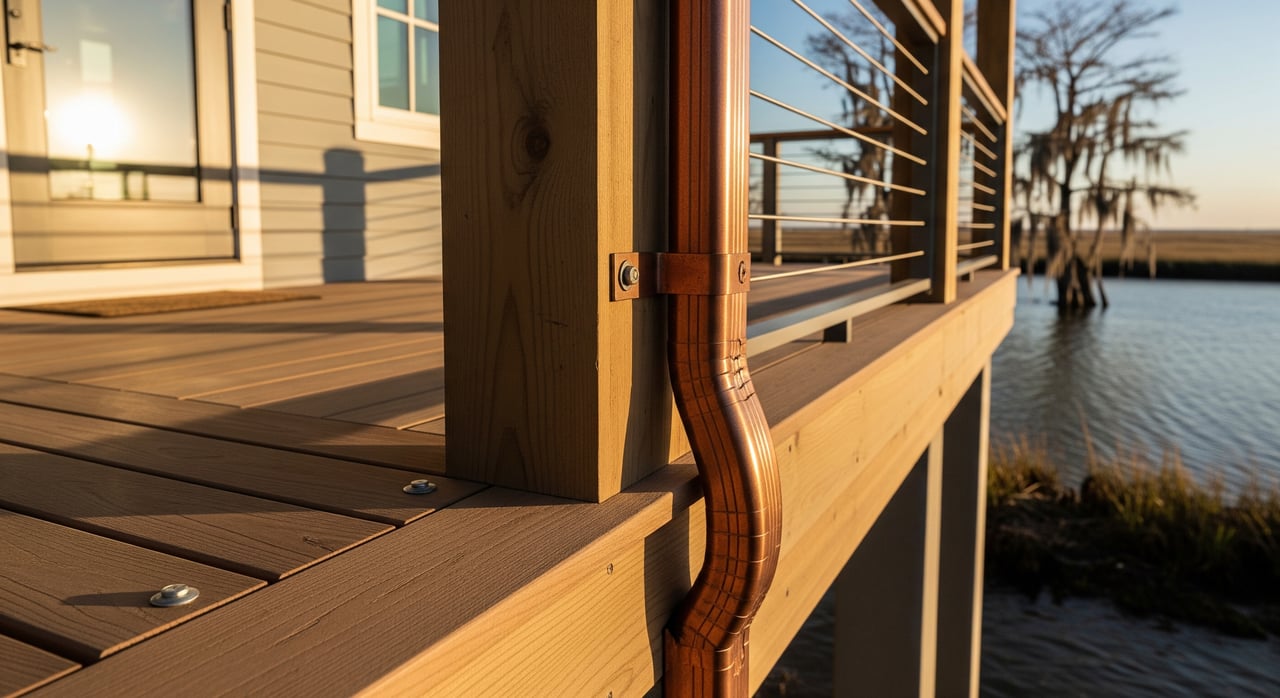
- Within about 300 feet of saltwater, the IRC and AWC guidance call for stainless fasteners and connectors for decks. In Bayou La Batre, that often means 316 stainless for exposed hardware and hangers (stainless rule for coastal decks).
- Avoid thin electro‑galvanized hardware. If stainless is not feasible in less‑exposed spots, use heavy hot‑dip galvanized, knowing it will have a shorter life.
- Keep dissimilar metals separated with insulating washers to prevent galvanic corrosion, and ensure ledgers and penetrations are fully flashed.
Windows, doors, and exterior hardware
- Fiberglass frames and aluminum‑clad wood are commonly recommended for coastal installs. Impact‑resistant glazing is typical in high‑wind zones near the Gulf (impact window basics).
- Specify marine‑grade finishes and 316 stainless for hinges, locks, and exposed screws. Maintain seals and lubricate hardware yearly.
Concrete, piers, and foundations
- For piles and any element exposed to tidal or saline groundwater, designers often specify low‑permeability concrete mixes with supplemental cementitious materials, increased cover over rebar, and protective reinforcement such as epoxy‑coated or stainless steel, especially in splash zones (ACI coastal guidance).
- Epoxy‑coated rebar works when handled carefully to avoid coating damage. Stainless rebar lasts longer but costs more.
Mechanical and electrical that last
- Outdoor HVAC in salt air benefits from factory‑coated coils or a manufacturer “coastal package,” plus scheduled rinsing to remove salt deposits (manufacturer coastal options).
- Elevate condensers where flood risk applies. Choose exterior fixtures and enclosures rated for harsh environments and specify 316 stainless or high‑quality powder‑coated marine aluminum.
Small details that pay off
- Use 316 stainless for exposed fasteners and connectors near the shoreline, and document the grade in your contract.
- Match metals and isolate dissimilar ones with nylon or plastic washers to reduce galvanic corrosion.
- Require factory PVDF finishes on metal panels and AAMA‑grade powder coats on aluminum items.
- Flash every transition correctly, then add a semi‑annual rinse and inspection routine to keep salt from building up.
Buyer checklist for Bayou La Batre
- Roof: Aluminum standing‑seam or Galvalume with a PVDF finish, stainless or concealed fasteners, clean flashing details.
- Siding: Fiber cement HZ10 or cellular PVC trim, stainless fasteners, neat joints and flashing.
- Deck: 316 stainless screws, hangers, and bolts within the salt‑air zone; no red rust or flaking zinc.
- Windows/doors: Impact glass where required, coastal‑grade frames, stainless hardware.
- Systems: HVAC with coated coils, elevated equipment where flood risk applies.
- Documentation: Product data with finish and coating info, fastener and connector grade, and any floodplain or elevation certificates.
Selling tips to boost durability and value
- Replace rusted exterior hardware and any corroded deck connectors with 316 stainless.
- Refresh caulks and flashing at siding and roof transitions, then schedule a full rinse before showings.
- Service HVAC coils and note any coastal‑package upgrades in your listing.
- Highlight coastal‑grade materials like PVDF metal roofing and Hardie HZ10 siding to set your home apart.
Ready to buy or sell confidently on the Bayou? Reach out to Jessica Jenkins-Nguyen for local guidance on materials that last and listings that fit your goals.
FAQs
Do you really need 316 stainless near saltwater?
- Within roughly 300 feet of saltwater, guidance calls for stainless fasteners and connectors for decks and exposed hardware, and 316 stainless offers better pitting resistance than 304 in chloride environments.
Is fiber cement siding a smart choice for coastal Alabama?
- Yes. HZ10 fiber cement is engineered for southern coastal climates and holds up to heat, humidity, UV, and salt spray when installed per manufacturer details.
What roofing holds up best in Bayou La Batre’s salt air?
- Aluminum standing‑seam with a PVDF finish is a top pick, with Galvalume plus PVDF also common when paired with stainless or concealed fasteners.
How should you protect HVAC systems near the bay?
- Order factory‑coated coils or a coastal package, elevate condensers where flood risk applies, and rinse coils as part of your regular maintenance.
What maintenance keeps coastal homes looking new?
- Rinse exterior surfaces and hardware a few times per year, inspect after major storms, and promptly replace any corroded fasteners or brackets.