Are you seeing one price on one site and a different story on another? If you own a home in Theodore, it can feel hard to know what the market is really doing. You want clarity so you can price well, time your move, and avoid leaving money on the table. This guide shows you how to read the latest data, what signals to watch, and a simple plan to sell with confidence. Let’s dive in.
Theodore market snapshot (Dec 2025)
As of December 2025, major portals show a wide but useful range for Theodore (ZIP 36582):
- Realtor.com reported a median listing price around $230,000, about 183 active listings, a median of roughly 94 days on market, a median price of about $139 per square foot, and a sales-to-list ratio near 100% (sold prices close to list on average).
- Redfin’s December snapshot showed a median sale price near $186,500, a much shorter days-on-market figure around 45, and only six closed sales that month. Small monthly samples can swing the numbers.
- Zillow’s local home value index (ZHVI) put the “typical” home value near $193,700. The ZHVI is a modeled value trend, so it often differs from actual sale prices.
Across Mobile County, Realtor.com’s county page showed a shorter median days on market near 79 days in the same window. That suggests Theodore has been more balanced and a bit slower to contract than some parts of the county.
Why the spread? Portals use different boundaries, data sources, and update schedules. In small ZIP codes like 36582, a few sales can move the median. Treat these numbers as a headline view, then confirm the story with MLS comps in your specific price band.
How to read the big three seller signals
Inventory and months of inventory
Inventory is the count of active listings. A better gauge is months of inventory (MOI) which equals active listings divided by the average monthly closed sales. As a simple rule of thumb that Realtor.com research often cites: under 4 months leans seller-friendly, around 4 to 6 months is balanced, and over 6 months tilts toward buyers.
Portals show roughly 183 active listings in 36582 during December. To turn that into MOI, you need the local monthly sales pace for your price range. Do not use just one slow month like December. Average the last 3 to 6 months to smooth holiday and one-off effects.
How to use this as a seller:
- If MOI is rising over several months, plan for more competition and price conservatively.
- If MOI is stable or falling, you may list near the top of your comp range.
- Always check MOI in your price band. A $200,000 to $275,000 home can behave differently than homes above $350,000.
Days on market (DOM)
DOM tracks how long listings stay active before going under contract. The trend matters more than a single snapshot. In December, Realtor.com showed a median near 94 days for 36582, while Redfin’s view showed about 45 days. That gap reflects different methods and small samples.
What to watch:
- If DOM is lengthening compared with the last 3 months, expect slower showings, more buyer leverage, and a higher chance of concessions or price reductions.
- If DOM is shortening, buyers may be moving faster. You can price closer to recent list-to-sale ratios, but still confirm with fresh sold comps.
Pricing patterns and reductions
Useful indicators include the sales-to-list price ratio, price per square foot, and the share of active listings with recent reductions. December’s Realtor.com data showed a sales-to-list ratio near 100% on average. At the same time, the Prop-Metrics zip summary has highlighted a relatively high share of recent reductions, which often signals sellers feeling out the market above current demand. Redfin’s lower median sale price compared to the median listing figures suggests softness in certain tiers or simply a month with more lower-priced closings.
The takeaway: bring the portal ranges to your listing consultation, then anchor your decision on 3 to 6 recent MLS sold comps that match your home’s size and condition. That is your most reliable pricing lane.
- Check the last 90 days of solds for price per square foot and list-to-sale ratios at your size and condition.
- Ask your agent to review recent reductions and expired or withdrawn listings. Those show where the market rejected price.
- Use the first 10 to 14 days on market to validate pricing. If traffic and feedback lag expectations, revisit quickly.
What drives demand in Theodore
Jobs and the Port of Mobile
Employment supports housing demand. The area’s shipbuilding and defense manufacturing footprint continues to evolve. The reported new submarine-related work at Austal is projected to add more than 1,000 jobs in the region, which can support local housing demand near employment hubs. For broader context on major employers and industry clusters across the county, see this regional overview of Mobile County’s economy.
- Read about the Austal expansion: new submarine-division announcement
- Explore Mobile County’s economic base: Spotlight on Mobile County
Affordability and housing stock
ZIP 36582’s population is roughly 24,000 to 26,000 based on American Community Survey estimates. The area includes a large share of single-family homes and a meaningful base of owner-occupants. Compared to higher-cost coastal metros, Theodore’s relative affordability is a consistent driver for first-time and value-focused buyers who want space and access to regional job centers.
- Baseline ZIP data: ZIP 36582 population estimates
Micro-markets and schools
Theodore is not one uniform market. Neighborhoods such as Bellmont, Westfield, Muddy Creek, and Jefferson can show different list and sale patterns month to month. For some buyers, proximity to specific school zones is an important factor in their search. When you price your home, review recent solds near your address and within your school zoning to see how buyers have valued similar properties. Keep language factual and rely on recent sales to guide expectations.
Your 5-step seller checklist
Get an MLS market snapshot for your exact price band. Ask for a 90-day and a 12-month rolling view showing active listings, new listings per month, closed sales per month, median DOM, list-to-sale ratio, and the share of price reductions. If you want a quick explainer on why MLS beats portal estimates, see this plain-English guide: What the MLS is and why it matters.
Calculate months of inventory for your tier. Divide active listings by the average monthly closed sales in your price range. If MOI trends toward or above about 4 months, be more conservative on price and consider buyer incentives.
Review reductions, withdrawn, and expired listings. If many nearby homes needed cuts to sell, aim to list inside the tight cluster of recent sold comps and invest in presentation to stand out. For a quick public snapshot of reductions, you can reference Prop-Metrics for 36582, then verify with MLS.
Build a pricing lane with 3 to 6 recent sold comps. Match square footage, condition, and lot features. Use portal value ranges as context, but let the MLS data define the most likely sale price.
Prep with targeted, high-return fixes. Prioritize professional photography, curb appeal, and simple updates that remove common buyer objections. If DOM has been trending longer, stage rooms to highlight space and flow so you capture early attention online.
Timing your sale
Seasonally, late March through June often brings the largest buyer pool. If you can time minor repairs and prep, listing in this window can shorten DOM and support stronger pricing. That said, supply spikes in your price band can change the calculus. Always confirm inventory and DOM trends for your neighborhood and tier before you set a date.
Pricing and prep tips that pay off
- Use professional photos and a clean, neutral look. Buyers make decisions quickly online. Bright, well-composed images boost early traffic.
- Refresh small but high-impact items. New cabinet hardware, fresh caulk and grout, and updated light fixtures can make spaces feel move-in ready.
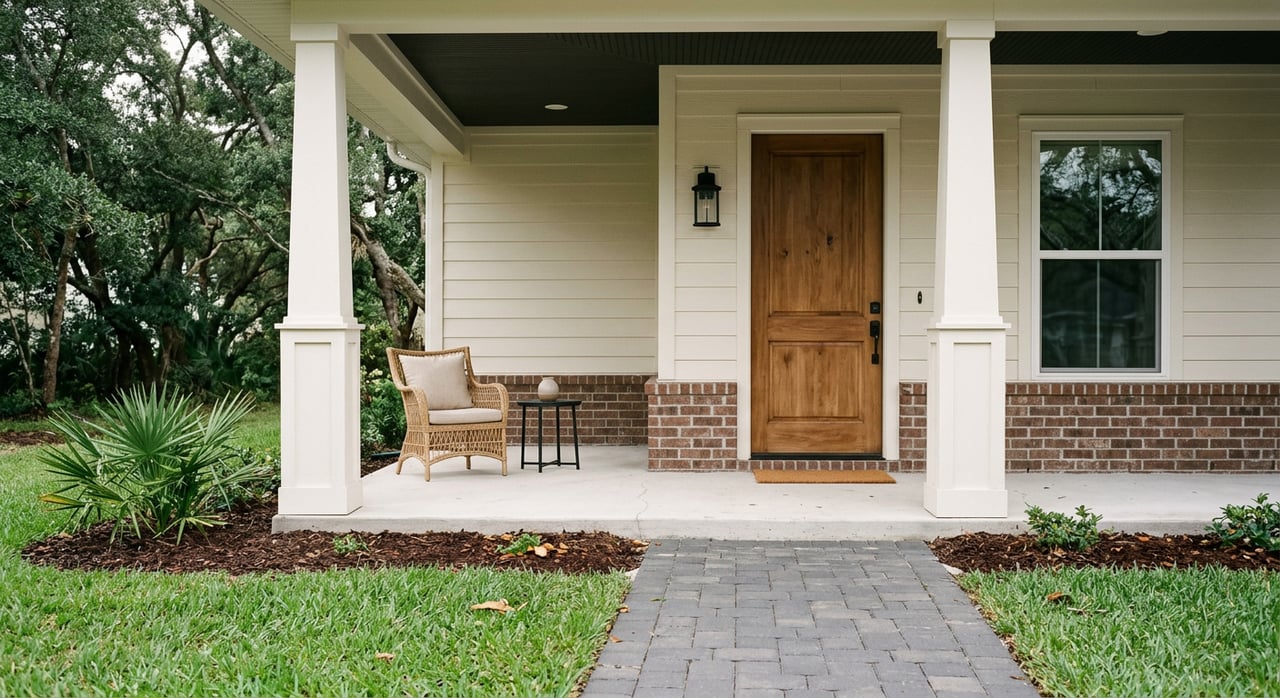
- Maximize curb appeal. Trim landscaping, add fresh mulch, touch up paint on doors and trim, and pressure-wash surfaces so the home pops at first glance.
- Eliminate easy objections. Service HVAC, replace tired filters, address minor leaks, and ensure all lights and smoke detectors work.
- Create a strong first 14 days. Price within the tight comp cluster, schedule showings to build momentum, and monitor feedback to adapt fast if needed.
Put local data to work for you
You do not need to guess. With a clean MLS snapshot by price band, a quick MOI check, and a focused prep plan, you can enter the Theodore market with confidence. If you want a tailored read on your address and a step-by-step plan to list, reach out to Jessica Jenkins-Nguyen for a free, local consultation.
FAQs
Is Theodore a buyer’s or seller’s market right now?
- Portals suggest a more balanced pocket with slower marketing times than some parts of Mobile County, but it varies by price band; ask your agent for current MOI and 90-day DOM in your tier to get a definitive read.
How long do homes take to sell in Theodore?
- December 2025 portal snapshots ranged from about 45 to 94 days on market due to different methods and small samples; track the 3-month MLS DOM trend for your neighborhood.
Should I wait until spring to list my Theodore home?
- If your home is market-ready, late March through June often brings more buyers; confirm inventory and DOM in your price band first, and prioritize prep if a few weeks of work could improve results.
What if my home doesn’t get offers quickly?
- Monitor showings, online traffic, and feedback in the first 10 to 14 days; if activity is slow or feedback centers on price, adjust early with a documented price strategy and improved presentation.
How should I pick a list price in 36582?
- Use 3 to 6 recent MLS sold comps that match your home’s size and condition, check the list-to-sale ratio, and view reductions and expireds nearby to avoid starting above buyer demand.